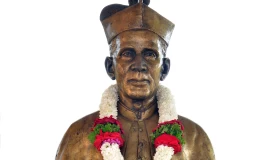
St Philomena College was founded by Msgr Antony Patrao who felt that a College in this part of the state would save the people of the inconvenience of moving to distant places for higher education. He set out to realize his dream and the mission was accomplished in the year 1958.
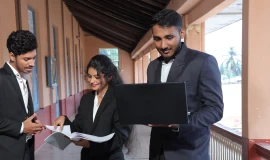
Since its inception, the Institute has lived up to societal expectations, turning out consistent and appreciable results in academic and non-academic fields. The institution does attempt to treat the primary stakeholders in 5 UG programs and 5 PG programs with a rewarding educational experience.
ISO 9001: 2015 Certified | Re-Accredited by NAAC at ‘A’ Grade | Managed by the CBE
St Philomena College (Autonomous), Puttur, recently organized an orientation and information program for its Master of Social Work (M.S.W.) students, aimed at familiarizing them with their upcoming fieldwork and practical training. Under the aegis of the Postgraduate Department of Social Work, this initiative included various educational visits to prominent institutions and organizations in and around the region.
The program commenced with a detailed briefing by Mr. Sachin, Student Welfare Officer of Ambika Educational Institution, Puttur, who provided valuable insights into the significance and objectives of fieldwork in social work education.
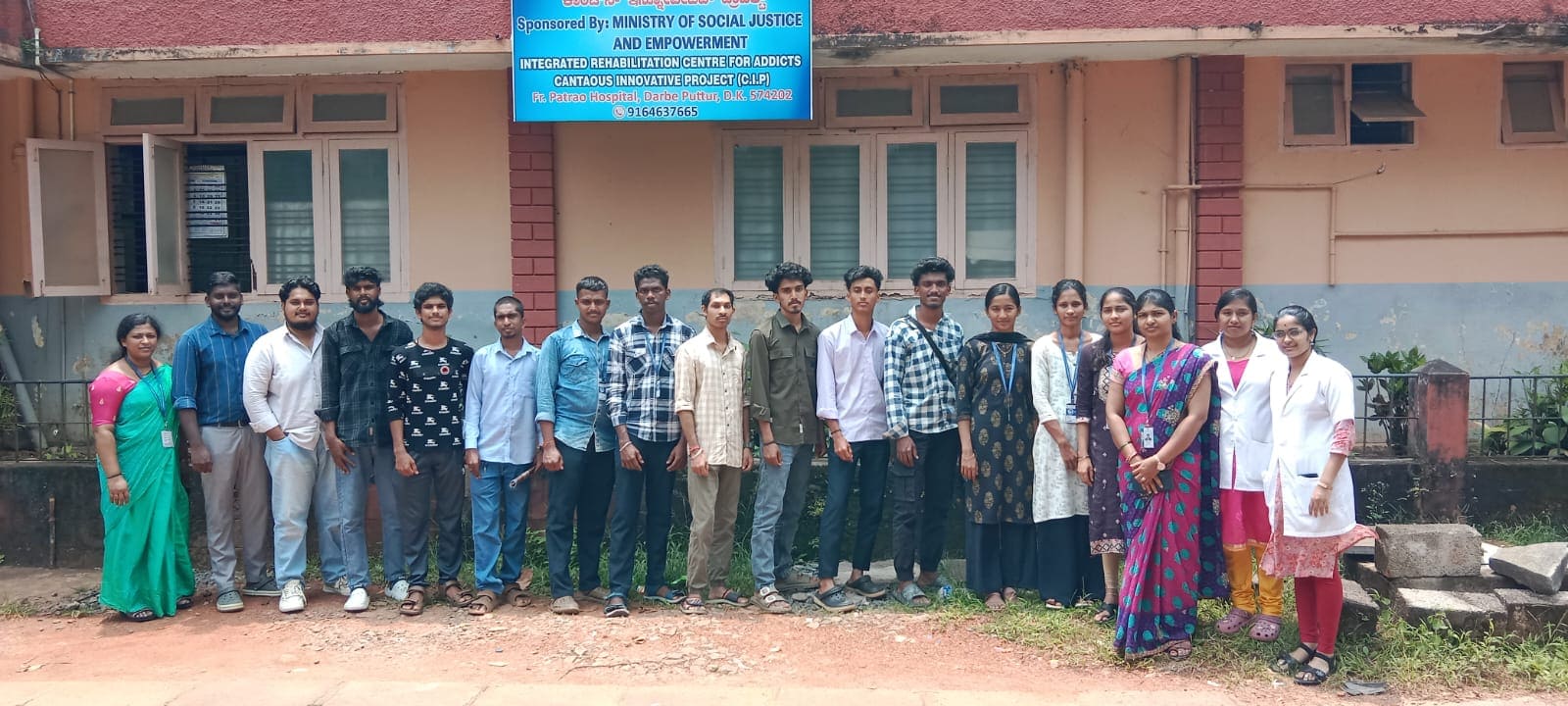
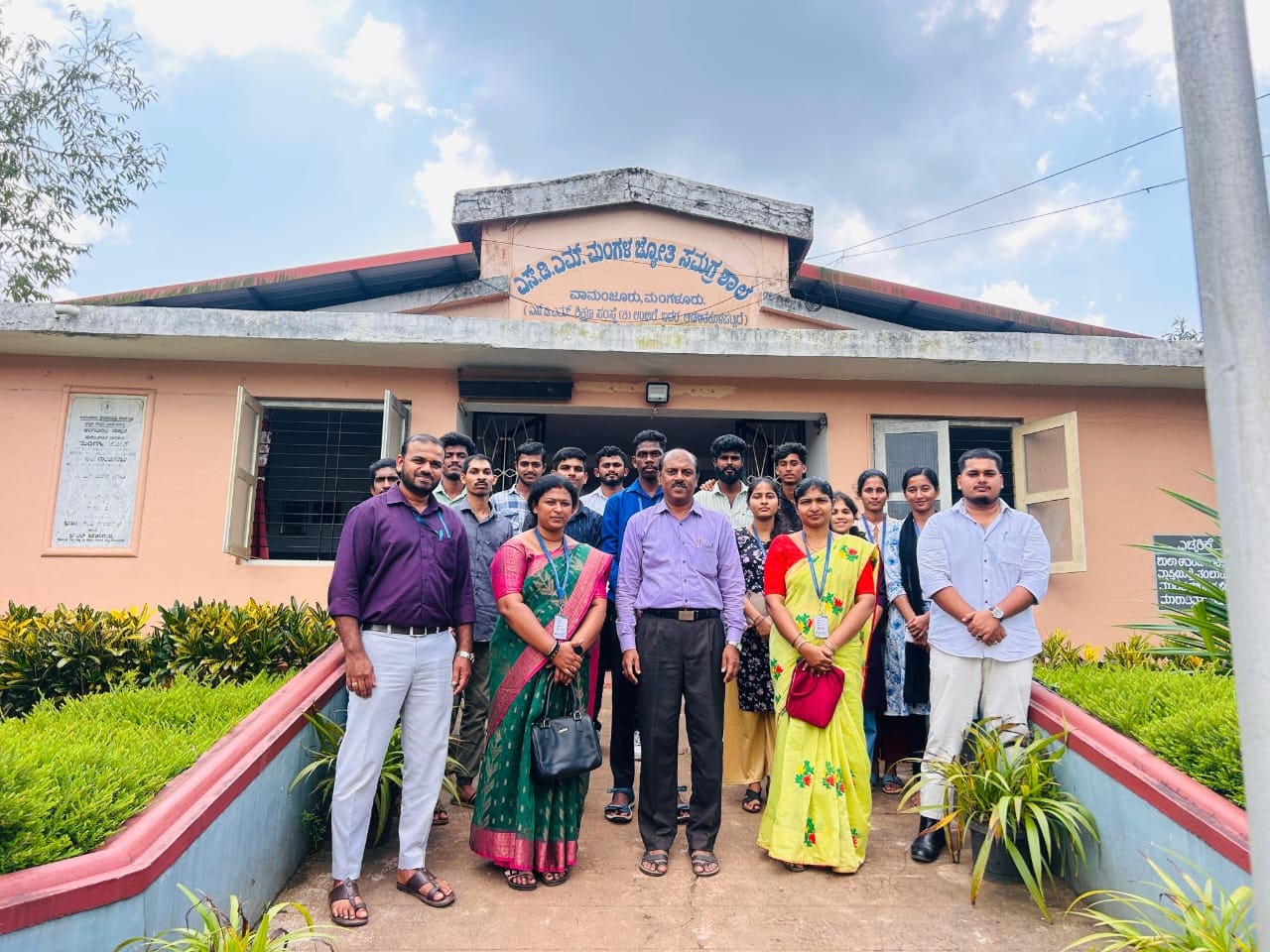
Subsequently, the students were taken on informative visits to a diverse array of locations, including the Dakshina Kannada Cooperative Milk Producers' Union Limited in Kulasekhar, the S.D.M. Mangala-Gangotri Integrated School in Vamanjoor, Mangalore, and Patravo Hospital and Santvana Center in Puttur. These visits gave the students practical exposure to a variety of social service settings, enabling them to observe and understand the implementation of social welfare in real-life contexts.
The orientation program was well-supported by Mrs Pratibha, Mr Sheetal Kumar, and coordinator Mrs Srimani, who actively participated throughout the visits and provided guidance to the students.
Such structured exposure programs by the department not only enhance the theoretical knowledge acquired in classrooms but also equip students with the necessary skills and understanding needed for their field assignments. This comprehensive approach aims to mold socially responsible professionals ready to address the multifaceted needs of communities.